
Helping you find your path . . .

The Compassionate Space
Hi, I’m Emily.
I am a registered General Psychologist.
I believe that each person deserves to be seen and heard in a space that feels compassionate, warm, collaborative, respectful, and safe.
I am curious about my clients, and support them to gently explore how their challenges and presentations are shaped by their environment (e.g circumstantial or situational factors) , relationships (with themselves, with others, and with the world), and history (e.g past experiences).
Whilst the past does not define us, understanding the past can shed light into how unhelpful patterns and beliefs have originated. I believe this insight empowers clients to break negative cycles and behaviours that no longer serve a purpose, so that they can actively choose a better future.
I appreciate that each person is unique (and that humans in general are complex beings), so that there is no one-size fits all approach. To provide my clients with the best care they deserve, it is my commitment to be informed and up to date with evidence based interventions and approaches, tailored to each clients individuals needs, I am also committed to trauma informed care, being a culturally responsive, neurodiversity-informed, gender-affirming, and LGBTQIA-friendly practitioner.
I am able to speak Mandarin Chinese on a conversationalist level.
Qualifications:
BA (Hons.) - Monash University
Masters of Professional Psychology - ACU
What I Can Help With:
Post-partum challenges, changes, and adjustments
Cultural challenges, issues & identity
C-PTSD, PTSD and trauma
Relationship difficulties (romantic, friendships, family dynamics)
Perfectionism
Negative self worth
Anxiety (worry, social anxiety, panic attacks and phobias)
Depression/Low mood and motivation
Grief & loss
Stress (life, work, study, situational/circumstantial stressors)
Sleep difficulties


In-person & telehealth options available
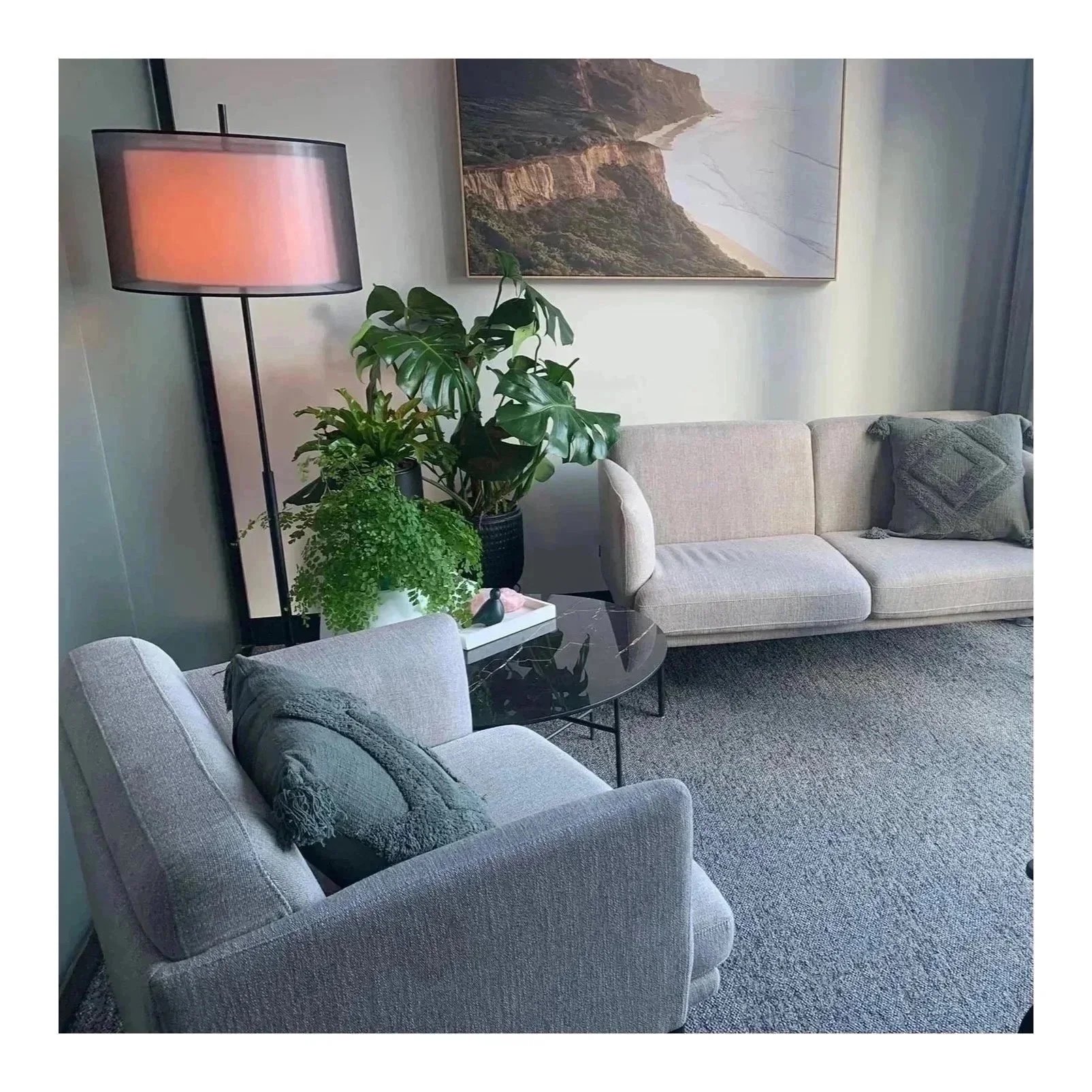
I am currently practicing at Spencer Street Psychology located at 393 Spencer Street, West Melbourne.
https://spencerstreetpsychology.com.au
The practice is easily accessible by train (Southern Cross/Flagstaff) or tram, with ample paid parking onsite.
Fees
$220 per session (50 minutes)
Medicare rebate available of $98.95. for up to 10 sessions in a calendar year.
Cancellation Policy: 24 hours notice required,
About Me
Personally (as a human)……..
Outside of being a Psychologist, I am a human mother of one, and a dog mum to two. I am also a wife, a daughter, a sister, a cousin, and a friend, In my spare time, I am spending time in nature, with my family, and my friends. My favourite food is sushi, and my indulgences include bubble tea, reality tv, and murder-mysteries (but only the dramatised, based on real events type).
Professionally (as a practitioner)
What gives me an edge:
I was born in Australia to Chinese immigrant parents.
My early childhood was marked by experiences of racism, which led to feelings of social rejection. These experiences shaped much of my early understanding of identity and belonging and contributed to a deeply personalised and internalised sense of shame (one that, admittedly, still resurfaces from time to time today).
During my formative teenage years, I found myself navigating two often contrasting cultures, each with its own beauty, strengths, shortcomings, and challenges. This sometimes led to confusion and frustration, complicating my emerging sense of self and identity.
In adulthood, I have found admiration, pride, and gratitude for the culture and heritage my parents have born and instilled in me, while also embracing values and beliefs from both Eastern and Western cultures that align with who I am. Although this journey has not been easy for myself (or my parents at times), and like all of us, I will always be “a work in progress”, it has led me to a place of greater inner peace, harmony, love, and acceptance-for both myself and others.
These experiences have also instilled in me a deep passion for supporting those who may be struggling to find their identity, who have experienced racism or marginalisation, who feel displaced or disconnected from their culture or heritage, or who, like me, were once simply a child, trying to make sense of their belonging.
My strengths include:
A deep connection to my Chinese heritage, which allows me to understand the unique challenges that individuals from Asian backgrounds may face when balancing different cultural values, family expectations, and personal identity.
An awareness of the cultural taboos and beliefs that can make accessing therapy difficult for individuals from Asian backgrounds, because let’s face it- therapy is born from Western theories and approaches, which itself comes with different perspectives to Asian values, mentality and beliefs. This is something I have successfully supported clients to navigate through.
The ability to speak Mandarin at a conversational level, which helps me connect with clients who feel more comfortable expressing themselves in their native language
My experience:
I have worked in the mental health field for more than ten years- first in research, and more recently as a therapist.
My early work as a research assistant provided me with a strong foundation in assessing and identifying complex mental health presentations, including psychosis and personality disorders. As a therapist, I have worked across both the public and private sectors, supporting clients with a wide range of presentations, from mild to severe, and from acute to chronic in nature.
I have also had the privilege of working with children and families impacted by trauma within the child protection system. In this role, I supported caregivers and parents to understand how trauma can affect a child’s development and helped them promote healing using attachment-based and developmental frameworks.
Across all of these experiences, what I have found most rewarding is the therapeutic relationship built with clients. It is a profound privilege when clients entrust me with their stories, experiences, challenges, and deepest thoughts and emotions. My utmost priority is to hold a safe, compassionate, and respectful space for clients, where we can explore and sit together with feelings of shame, guilt, fear, and pain.
While I work with a range of presentations, my experience has led me to develop a particular interest in supporting individuals impacted by developmental trauma. As humans, we are social beings, shaped by our relationships and environments. Helping clients uncover how their life experiences have influenced their sense of self and their relationships with others is central to my approach.
I take an integrative approach to therapy, tailoring my work to meet each client’s unique needs throughout their therapeutic journey. The modalities and frameworks I draw upon include:
Schema Therapy
Cognitive Behavioural Therapy
Attachment & Developmental Theories
Trauma Focused Therapies
Interpersonal Psychotherapy
Mindfulness Based Therapies
Publications:
Barata VA, Lavoie S, Gawęda Ł, Li E, Sass LA, Koren D, McGorry PD, Jack BN, Parnas J, Polari A, Allott K, Hartmann JA, Krcmar M, Rasmussen AR, Whitford TJ, Wannan CM, Nelson B.(2025). The neurophenomenology of basic self-disturbance in early psychosis: Association with clinical outcome in an ultra-high risk sample. Australas Psychiatry. 2025 Jun 4:10398562251346619. doi: 10.1177/10398562251346619. Epub ahead of print. PMID: 40464568.
Berger M, Li E, Rice S, Davey CG, Ratheesh A, Adams S, Jackson H, Hetrick S, Parker A, Spelman T, Kevin R, McGregor IS, McGorry P, Amminger GP. (2022). Cannabidiol for Treatment-Resistant Anxiety Disorders in Young People: An Open-Label Trial. J Clin Psychiatry. 2022 Aug 3;83(5):21m14130. doi: 10.4088/JCP.21m14130. PMID: 35921510
Spark J, Gawęda Ł, Allott K, Hartmann JA, Jack BN, Koren D, Lavoie S, Li E, McGorry PD, Parnas J, Polari A, Sass LA, Whitford T, Nelson B. (2021). Distinguishing schizophrenia spectrum from non-spectrum disorders among young patients with first episode psychosis and at high clinical risk: The role of basic self-disturbance and neurocognition. Schizophr Res. 2021 Feb;228:19-28. doi: 10.1016/j.schres.2020.11.061. Epub 2021 Jan 9. PMID: 33434729.
Berger M, Li E, Amminger GP. (2020). Treatment of social anxiety disorder and attenuated psychotic symptoms with cannabidiol. BMJ Case Rep. 2020 Oct 7;13(10):e235307. doi: 10.1136/bcr-2020-235307. PMID: 33028567; PMCID: PMC7542610.
Nelson B, Lavoie S, Gaweda L, Li E, Sass LA, Koren D, McGorry PD, Jack BN, Parnas J, Polari A, Allott K, Hartmann JA, Whitford TJ. (2019). Testing a neurophenomenological model of basic self disturbance in early psychosis. World Psychiatry. 2019 Feb;18(1):104-105. doi: 10.1002/wps.20597. PMID: 30600614; PMCID: PMC6313695.
Rasmussen, A, Reich, D, Lavoie, S, Li, E, Hartmann, J, McHugh, M, Whitford, T & Nelson, B. (2019) The relation of basic self‐disturbance to self‐harm, eating disorder symptomatology and other clinical features: Exploration in an early psychosis sample. Early Intervention in Psychiatry. DOI:10.1111/eip.12850
Nelson, B, Li, E, Cicero, D, Gawęda, Ł, Hartmann, J, Koren, D, Polari, A, Whitford, T, & Lavoie, S. (2018). The construct validity of the Inventory of Psychotic‐Like Anomalous Self‐Experiences (IPASE) as a measure of minimal self‐disturbance: Preliminary data. Early Intervention in Psychiatry. 13. 10.1111/eip.12711.
Gawęda Ł, Li E, Lavoie S, Whitford TJ, Moritz S, Nelson B (2018). Impaired action self-monitoring and cognitive confidence among ultra-high risk for psychosis and first-episode psychosis patients. Eur Psychiatry. 2018 Jan;47:67-75. doi: 10.1016/j.eurpsy.2017.09.003. Epub 2017 Sep 22. PMID: 29107832.